
Opposition Accuses State Government of “Selling Himachal” Over Township Project
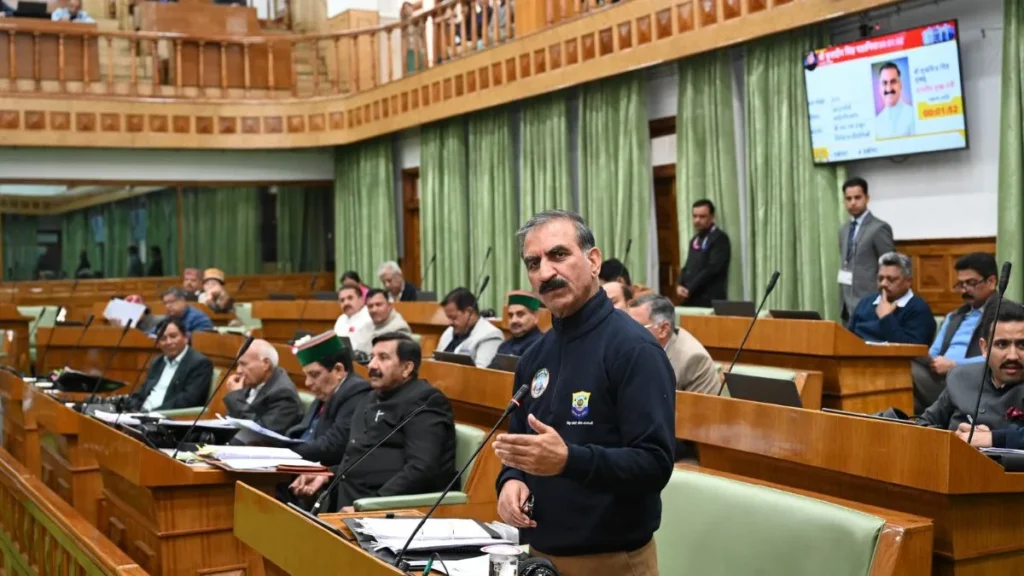
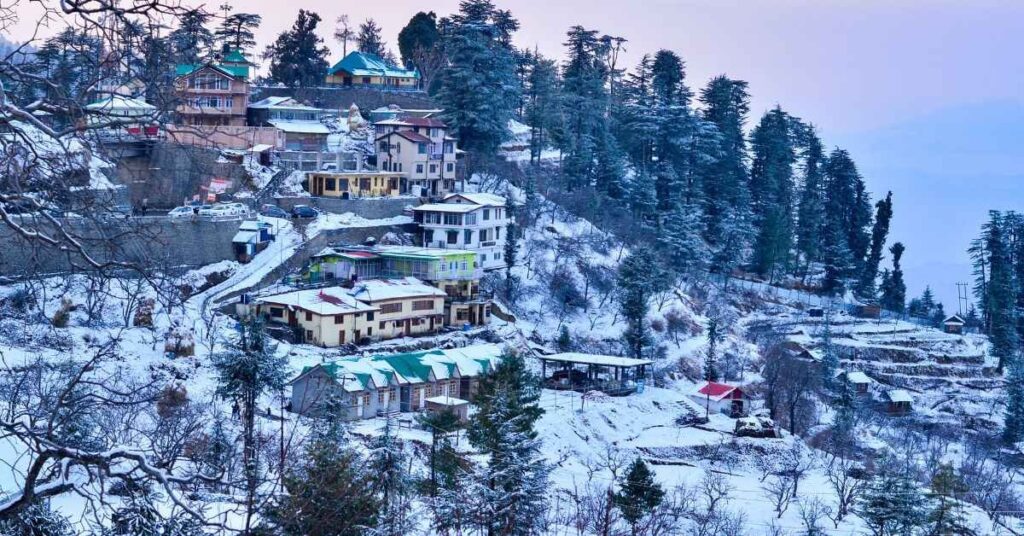
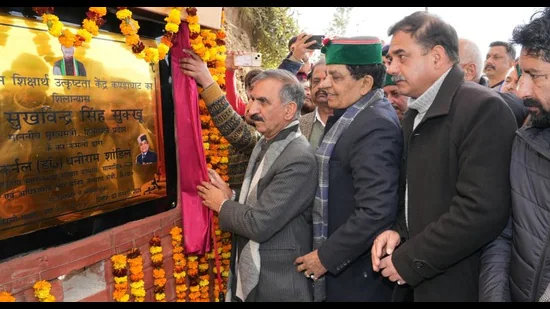
🗳️ Opposition Accuses State Government of “Selling Himachal” Over Township Project A major political controversy has emerged in Himachal Pradesh, with the Leader of the Opposition, Jai Ram Thakur, strongly criticising the state government led by Sukhvinder Singh Sukhu over the approval of a large township development project. The issue has sparked intense debate in political and public circles, particularly because it involves land in the ecologically sensitive Sheetalpur area of Solan district, located close to Chandigarh. According to the opposition, the proposed township project spans around 3,485 bighas of land, making it one of the largest private development projects planned in the region. BJP leaders allege that the project effectively “puts Himachal on sale” by opening environmentally fragile hill land to large private builders and real-estate interests, potentially compromising the state’s natural resources, forest cover, and water systems. The opposition has further claimed that local panchayats were allegedly pressured to issue No Objection Certificates (NOCs) in favour of the project. They argue that such actions undermine grassroots democratic processes and raise serious concerns about transparency, consent, and local governance. BJP leaders have warned that rapid urbanisation in sensitive hill areas could lead to landslides, water shortages, traffic congestion, and long-term ecological damage. Another key concern raised is the possible misuse of public infrastructure and resources—such as roads, electricity, and water supply—for private commercial benefit. The opposition has demanded full disclosure of project approvals, environmental clearances, and financial arrangements, urging the government to place all relevant documents in the public domain. In response, the state government has defended the township proposal, stating that all procedures were followed as per law, and that modern township planning is essential for controlled urban growth, employment generation, and investment attraction. Government representatives have also said that environmental safeguards and regulatory approvals will be strictly enforced. The issue has now become a significant political flashpoint in Shimla, with environmental groups, local residents, and civil society closely watching developments. As debates continue in the state assembly and public forums, the controversy highlights the broader tension between development, environmental protection, and transparency in hill states like Himachal Pradesh.